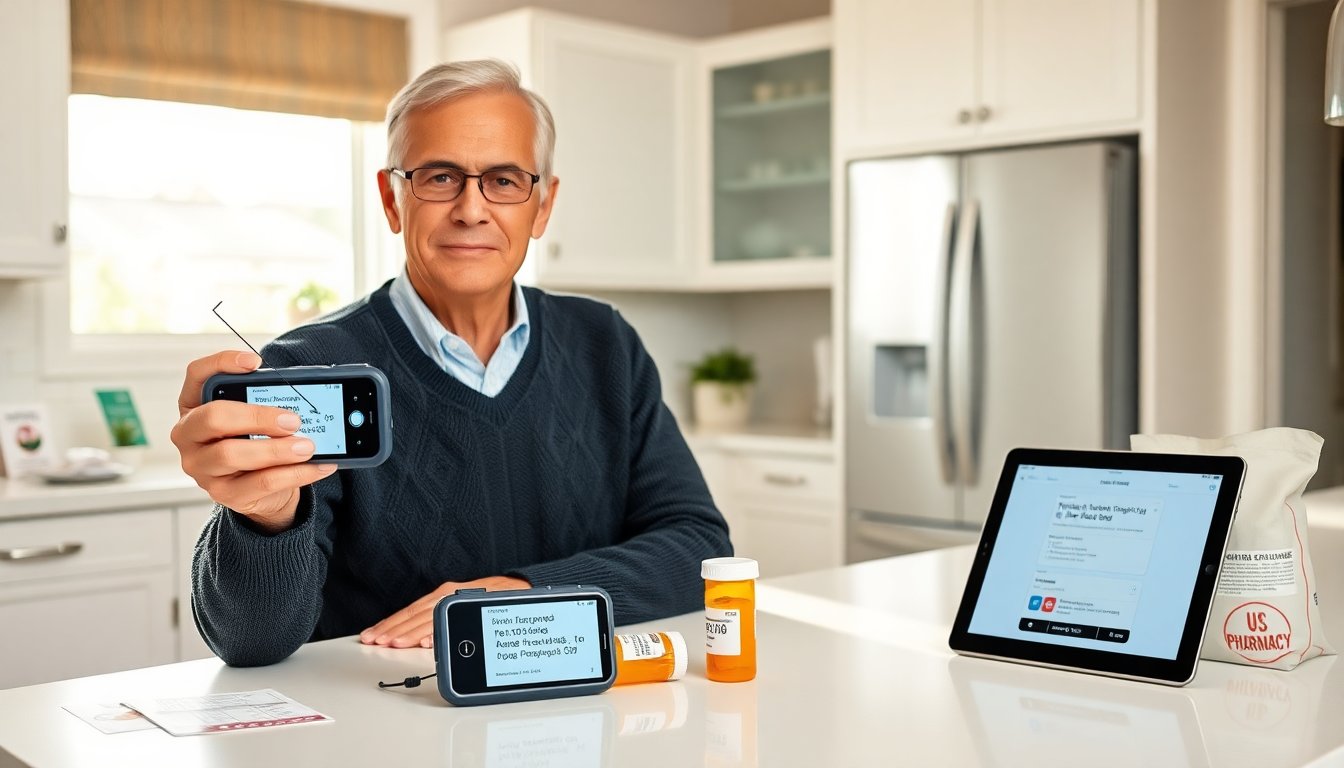
A prescription reader helps a person identify medicine labels and dosage information. The prescription reader uses a camera and text recognition to read printed labels aloud. The device helps people with low vision, limited literacy, or busy schedules. This article explains what a prescription reader does, how it works, what to look for, and how to use it safely.
Table of Contents
ToggleKey Takeaways
-
A prescription reader uses a camera and text recognition to read medicine labels aloud, aiding people with low vision, limited literacy, or busy schedules.
-
The device works by capturing label images, running optical character recognition (OCR), and converting text into audio or large fonts, improving medication safety and accuracy.
-
Selecting a prescription reader involves checking OCR accuracy, voice output clarity, language support, battery life, and ease of use to ensure it meets individual needs.
-
Prescription readers reduce the risk of medication errors but users should still manually verify critical details like dosage and expiration dates for safety.
-
Privacy features such as data encryption and local storage are important to protect sensitive information on prescription readers.
-
Regular updates improve OCR performance and drug databases, making it essential to choose a prescription reader with reliable software support.
What Is A Prescription Reader And Who Benefits From One?
A prescription reader is a device or app that scans medicine labels and speaks the text. A prescription reader converts printed text to audio or large text on a screen. A prescription reader helps people who have low vision read their pills. A prescription reader helps older adults confirm dose and timing. A prescription reader helps caregivers avoid errors when they sort medication. A prescription reader also helps someone with limited English by offering translations or simplified text. People who take multiple medicines gain clear benefits from a prescription reader. Pharmacists and nurses may use a prescription reader to double-check labels in a busy clinic.
Core Features And How Prescription Readers Work
Most prescription readers combine a camera, software, and audio output. The camera captures a photo of the label. The software runs optical character recognition and cleans up the text. The prescription reader then matches drug names and doses against a built-in database. The device flags common warnings and expiration dates. The prescription reader may store a history of scans for later review. The device may sync with a phone or cloud service for backups. The prescription reader reduces the risk of taking the wrong dose. The device speeds up label checks for people who handle many prescriptions.
Accessibility Features, OCR Accuracy, And Voice Output (Technical Details)
A prescription reader uses OCR to turn images into text. High-quality OCR finds small fonts and curved labels. The prescription reader improves accuracy with good lighting and steady focus. The device uses algorithms to correct common errors in drug names. Voice output reads drug name, strength, and directions aloud. A prescription reader offers voice speed and pitch controls for comfort. The device supports multiple languages and simple vocabularies for clarity. A prescription reader may highlight critical warnings visually and aurally. The reader logs confidence scores so a user knows when to verify text manually. Regular software updates improve OCR accuracy and drug databases over time.
How To Choose The Right Prescription Reader: Key Criteria And Buying Tips
Buyers should check OCR accuracy before they buy a prescription reader. Test the device on small labels and curved bottles. Choose a prescription reader with clear voice output and adjustable speed. Look for devices that support the languages the user needs. Pick a prescription reader with a local drug database or reliable cloud access. Prioritize battery life and ease of charging for daily use. Check for a simple interface so the user can learn quickly. Choose a prescription reader with secure syncing if the user wants backup. Compare warranties and software update policies when you select a prescription reader. Read user reviews from people with vision loss for real-world feedback. Consider price, but weigh it against reliability and long-term support.
Safety, Privacy, And Practical Tips For Everyday Use
A prescription reader helps reduce medication errors. Users should still verify critical details like dose and expiration date manually. Store scans on the device when possible to limit cloud exposure. Choose a prescription reader that encrypts data in transit and at rest. Delete old scans of sensitive prescriptions when they are no longer needed. Keep the device clean and dry to avoid camera damage. Use steady hands or a simple stand to improve scan accuracy with a prescription reader. Train household members on how the device reads active ingredients, not just brand names. Report any repeated OCR errors to the manufacturer so they can update the drug database. Finally, pair the prescription reader with routine checks like pill organizers or pharmacist consultations to add safety layers.